Live Well Journal
Issue No.171: Cut hot flushes by 30%, no medication needed

Jan Owen AM
Co-founder, Be Well Hawthorn
- PUBLISHEDJuly 5, 2026
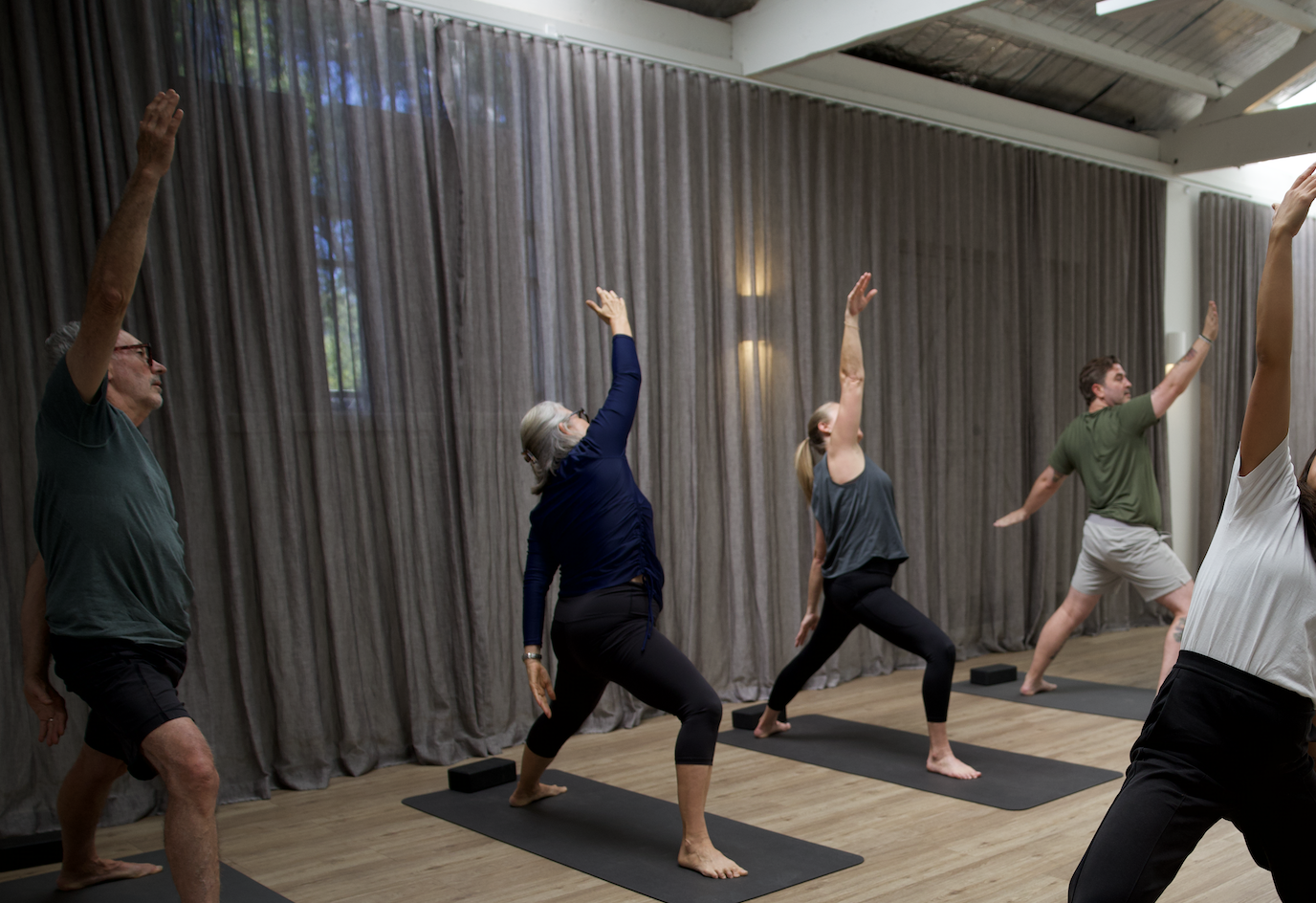
Winter has a way of making stillness feel really appealing. The days are shorter, the motivation is lower, Netflix is calling, and the couch is very, very comfortable.
But here’s what the research is telling us loud and clear: winter is actually the most important time to keep moving, and Pilates and yoga aren’t just good exercise options, they’re doing something profound for your body and brain that almost nothing else can match. Especially in winter.
The nerve you never knew you had
Let’s start with something genuinely surprising. One of the most exciting areas of recent neuroscience research centres on the vagus nerve, a long, wandering nerve that runs from your brainstem all the way down through your heart, lungs and gut. It’s the superhighway of your parasympathetic nervous system – the rest, digest and recover system, and it plays a starring role in regulating inflammation, immune response and mood.
Research published in Frontiers in Neuroscience (2024) confirmed that vagus nerve activation directly suppresses pro-inflammatory cytokines, the same inflammatory signals that spike in winter when you’re stressed, sleep-deprived or run down. And what activates the vagus nerve? Slow, controlled breathing. Mindful movement. Exactly what yoga and Pilates are built on.
Every time you move through a yoga flow with breath awareness, or hold a Pilates exercise with deliberate, focused inhales and exhales, you are literally toning your vagus nerve and, by extension, dialling down inflammation and supporting your immune system.
Goodbye winter blues & stiffness
Yoga takes on the winter blues. A 2025 systematic review and meta-analysis published in PMC confirmed that yoga produces meaningful reductions in depression severity, improving remission rates versus doing nothing or treatment-as-usual. For a condition that peaks in winter (seasonal affective disorder affects up to 5% of adults, and search data shows it spikes hardest in the coldest months), having a movement practice that genuinely shifts the needle on mood is a big deal.
Pilates is the answer to winter stiffness. Cold weather tightens everything, including muscles, fascia, and joints. For Be Well members dealing with lower back pain, knee osteoarthritis or fibromyalgia, winter can be brutal. A 2025 meta-analysis found that Pilates significantly reduces pain and improves function in knee osteoarthritis patients, while a separate review confirmed meaningful pain relief for fibromyalgia sufferers. The slow, precise nature of Pilates is uniquely suited to winter bodies – warming tissue gently, restoring range of motion and rebuilding the deep stability that cold weather strips away.
Both protect your balance. A 2024 analysis found that Pilates significantly improves static and dynamic balance, reducing fall risk. Combine that with yoga’s well-documented improvements to proprioception, your body’s ability to sense its own position, movement and force in space, and body awareness, and you’ve got two powerful tools for staying strong and coordinated through the slippery, low-light winter months.
Pilates and yoga are not gentle options for people who can’t do ‘real’ exercise.
However, ‘just try some yoga or Pilates’ isn’t particularly helpful. So here’s what the research actually recommends, specific enough to act on today.
Which type of yoga?
For mood, nervous system, and sleep → Yin or Restorative yoga. These slow, floor-based styles hold poses for 3–10 minutes, activating the parasympathetic nervous system and directly calming the stress response. Research shows that the restorative yoga group in cognitive studies significantly improved fluid cognitive function, the ability to think clearly and solve problems. Perfect for winding down a winter evening.
For energy, strength, and hot flush management → Hatha / slow yoga. These movement-based styles raise serotonin, build functional strength, and improve circulation without overtaxing the body. A 2024 meta-analysis of over 2,000 women found this style of practice significantly reduced hot flushes, anxiety, and psychological menopause symptoms.
Avoid: Hot yoga and intense power yoga during perimenopause and menopause; heat-based practices can worsen hot flushes and place unnecessary stress on the cardiovascular system.
Which type of pilates?
Reformer Pilates is the standout recommendation for women in their 40s, 50s, 60s and 70s. The adjustable spring resistance supports joints, allows precise muscle targeting, and can be scaled perfectly to your current fitness level. A 2017 study found reformer Pilates produced greater gains in strength and flexibility than mat Pilates, and a separate study found it reduced fall risk and improved balance in adults over 65.
Mat Pilates is an excellent complement, requires no equipment and builds foundational core strength. Many members do both: reformer for their structured sessions, mat for home practice in between.
How many times per week?
Pilates: 2–3 times per week is the evidence-backed sweet spot. Studies show meaningful improvements in core strength, balance, pain reduction, and mobility after 8–12 weeks at this frequency. More than 3 sessions per week offer diminishing returns; recovery matters just as much as the work.
Yoga: 2–3 times per week for measurable benefits on mood, sleep and menopause symptoms. A randomised controlled trial of women aged 45–60 found that 75 minutes of yoga, 3 times per week for 20 weeks, significantly improved sleep and menopause symptoms. Even twice weekly produced a 66% reduction in hot flash frequency.
Move Well
Pilates and Yoga are clearly different, but both are precision tools for nervous system regulation, pain management, immune support and mental health, backed by a rapidly growing body of research that is only getting stronger.
If you’re less active, spending more time indoors, eating heavier foods and getting less sunlight, your nervous system tips toward a state of chronic low-grade stress. That quiet background stress is inflammatory, immunity-dampening and mood flattening. Pilates and yoga don’t just counteract this; they actively reverse it, session by session.
As a long term yogi, I was thrilled by a 2024 trial found that 12 weeks of regular yoga increased telomerase activity, the enzyme that repairs and extends the protective caps on your DNA, by a massive 43% in adults over 50, making it one of the only accessible interventions with a measurable anti-ageing effect at the cellular level.
The science is also confirming what many of our members already know: consistency through winter builds a resilience that carries you into spring with more energy, less pain and a stronger body.
So this winter, keep showing up for your yoga mat and/or reformer. Your vagus nerve will thank you.
There's a nerve that links your brain to your heart, gut, and immune system, and mild electrical stimulation of it is treating more than doctors expected
Source: here

About the author
Jan Owen AM
Co-founder, Be Well Hawthorn · Hon DLit · Social and business entrepreneur
Jan Owen AM is co-founder of Be Well Hawthorn and a social and business entrepreneur with over four decades of experience driving change across education, youth welfare and health. She is the author of Every Childhood Lasts a Lifetime and The Future Chasers, the inaugural Westpac and AFR Overall Woman of Influence, and holds honorary doctorates from the University of Sydney and Murdoch University. Jan was awarded membership to the Order of Australia in 2000 for her service to children and youth.