
Jan Owen AM
Co-founder, Be Well Hawthorn
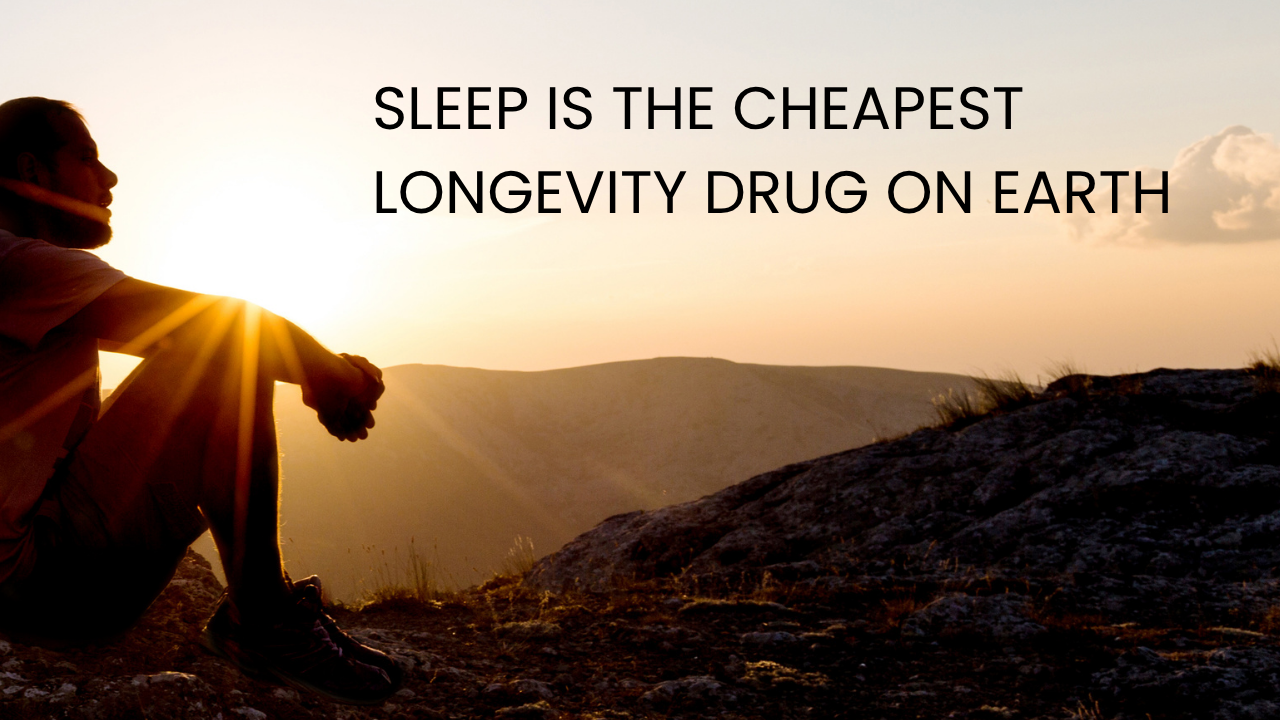
Sleep is at the front of my mind, having just returned from a 27-hour flight and an intensive morning to (late) night conferencing week in Toronto, Canada, last week.
Tbh, if I’ve said it once, I’ve said it a thousand times: ‘there’s plenty of time to sleep when you’re dead!’
How wrong could I have been! (my apologies to everyone over the past 30 years;-(
Turns out that skipping sleep is like skimping on the foundations of a house because the paint colour felt more urgent. Everything you build on top eventually cracks.
Here’s the number that changed my mind.
A study out of Oregon Health & Science University, published this year, tracked sleep habits across more than 3,000 US counties. Poor sleep turned out to be the second strongest predictor of early death they found, beaten only by smoking. Not diet. Not exercise. Not even loneliness. Sleep.
And a huge Nature study published in May, tracking half a million people, found the sweet spot: 6.4 to 7.8 hours a night. Sleep less than that, or more, and your brain, heart, lungs and immune system all age faster. Not just feel worse. Age faster. Sleep isn’t a wellness extra; it’s a dial your organs are watching.
Your gut & sleep
Dr Stasha Gominak, a neurologist (Baylor / Mass General trained) spent 20+ years treating patients before pivoting to sleep. Dr Gominak believes Vitamin D deficiency, made worse by decades of indoor living and ageing, is an underlying driver of poor sleep, and most people supplementing Vit D are doing it wrong or incompletely.
This is her experience as a clinician, not fully researched science as yet.
Dr Gominak believes our skin making vitamin D from sunlight works differently than a pill or fatty fish. Oral Vit D alone doesn’t replicate what sun exposure does. Her patients who took vitamin D often didn’t improve, some got worse, had digestive issues and no weight loss despite exercising more.
Her theory is that taking vitamin D on its own can burn through your body’s B vitamins. Gut bacteria play a role in producing those Vit B vitamins in the first place, so dosing Vit D without supporting the gut can create a new deficiency instead of fixing the old one.
Dr Gominak reframes insomnia as a chemical deficiency problem, not a behaviour problem.
Why sleep is doing renovation work, not just downtime
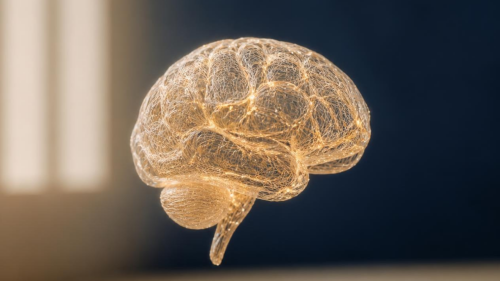
My friend Dr Catherine Ball’s new book, The Future of Sleep, makes a point I love: sleep isn’t spare time, it’s infrastructure. While you’re out cold, your brain runs a nightly cleaning crew, the glymphatic system, flushing out metabolic waste, including the proteins linked to Alzheimer’s.
Your body uses deep sleep to repair tissue, regulate inflammation, and reset the hormones that control appetite and blood pressure. Skip it, and the mess builds up quietly for years.
Here’s what MIT researchers found: when you’re sleep deprived, and your attention suddenly drifts mid-task, that lapse isn’t random. It lines up with a wave of fluid washing through your brain, the same cleanup crew clocking on early because you didn’t give it its proper night shift.
Your brain is so desperate for its maintenance window that it starts sneaking in repairs while you’re meant to be working. Skip the renovation at night, and it happens anyway, at the worst possible time, like during your Tuesday morning meeting.
I have absolutely been there!
Early death, burnout, low productivity…
How much more convincing do you need?
Another friend, Dr Amantha Imber, is coming to Be Well for our September ’In Conversation’.
In her book, The Health Habit, she writes candidly about her own chronic insomnia and how she used behavioural science, not willpower, to fix it. In her brand new book, The Energy Game, she goes further: after hitting full burnout despite two decades of coaching Google and Disney on wellbeing, she built REST into her system not as a retreat you escape to once a year, but as something you rebuild in five minutes at a time, inside a normal week. Her big insight across both books: knowing what to do isn’t the problem. Most of us know we should sleep more. The problem is building a routine that survives contact with real life.
Four sleep moves that actually work
1. Protect the last hour before bed like a closing shift.
Dim the lights, put the phone in another room, and do the same lowkey thing every night. Your brain reads repetition as a signal to power down.
2. Get outside in the first twenty minutes of your morning.
Morning light sets your body clock more powerfully than anything you do at night. It’s the cheapest sleep aid that exists.
3. Keep your room properly cold.
Somewhere around 18 degrees. Your core temperature needs to drop to fall into deep sleep, and a warm room fights you on it all night.
4. Give yourself a ‘hall pass’.
Imber’s term for the night’s sleep goes sideways anyway. One rough night isn’t a failed habit; it’s just a rough night. Don’t let it snowball into giving up on the whole routine.
None of this requires a gadget, a supplement, or a personality transplant. It requires treating sleep as a worthy investment, a little thought and consistency, not an afterthought at the end of a long day.
Tonight, pick one of the four. Just one. Longevity isn’t built in a single big leap; it’s built in the everyday, repeatable choices nobody applauds you for. This is one of them.
I’m looking for the Airpod a few nights of deep sleep to beat jetlag 
See you again at Be Well soon!