If, like me, you’ve stood looking at the lift, escalator or stairs at the station, at work or at the airport, or if you have thought about that extra rep and hesitated… then this blog is for you!
We spend a lot of time worrying about the numbers on the scale, the circumference of our waistline, or whether our jeans still fit. But what if the real number that matters for how long and how well you live is in your thighs?
Healthcare and longevity researcher Neal K. Shah has been diving into the science of lower-body muscle mass, and the findings are genuinely surprising. Not in a “drink this green powder” way. More in a “this changes how I think about my legs entirely” way.
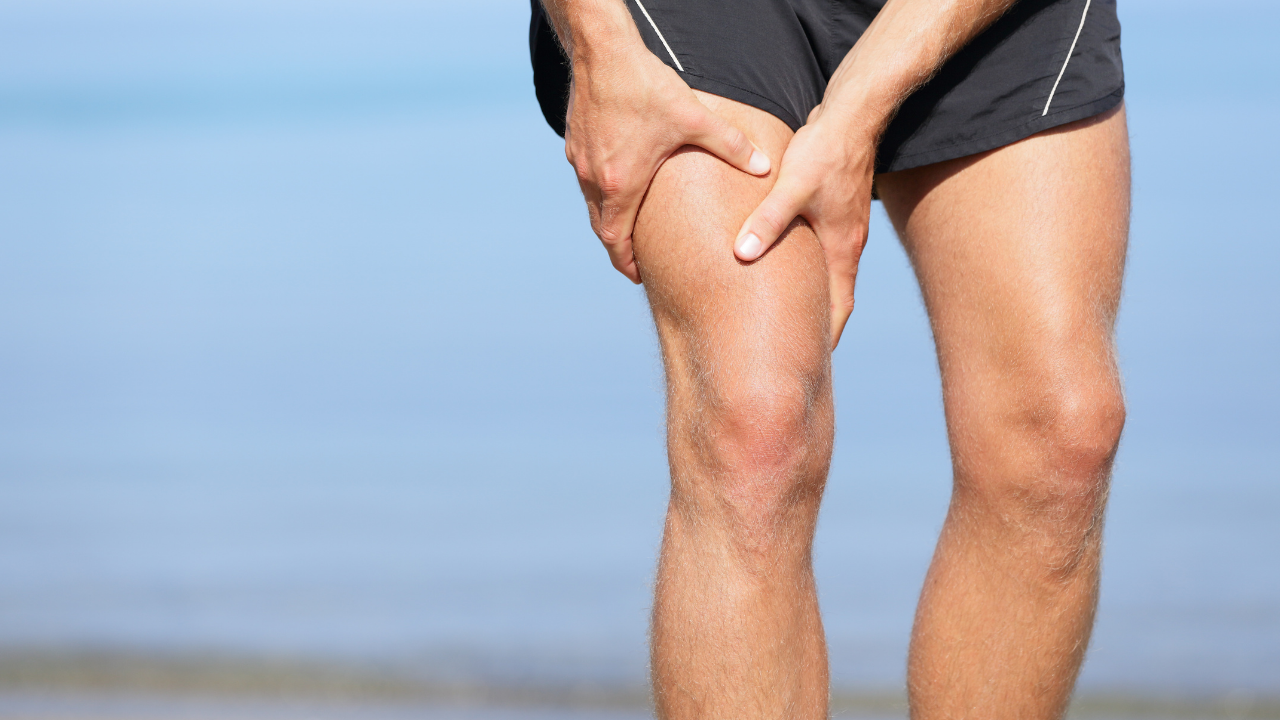
Here’s the headline: people with stronger, larger leg muscles show significantly lower rates of heart disease and premature death.
Your thighs are the largest muscle group in your body, and research published in the British Medical Journal and out of King’s College London suggests that the size and strength of your leg muscles are among the most powerful predictors of how long you’ll live and how healthy those years will be.
High lower body muscle mass optimises blood sugar clearance, decreases insulin resistance, and reduces chronic vascular inflammation over time. Not marginally lower. Significantly.
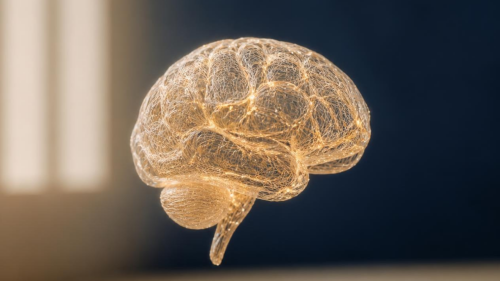
But wait, it gets more interesting. Researchers tracked pairs of identical twins over decades (twins are a gift to scientists because they share genetics, so any differences are largely lifestyle-driven). The twin with greater leg strength consistently maintained better memory and faster thinking well into later life. The legs you build in your fifties and sixties may be quietly protecting your brain for the decades that follow.
The threshold effect
Below a certain level of thigh muscle mass, the risk of early death climbs sharply, think of it like a cliff edge, you really don’t want to fall below it. But, and this is the reassuring bit, above that threshold, bigger isn’t necessarily better. You don’t need to be a competitive cyclist or a squatting champion. The goal isn’t maximum muscle. The goal is not to lose what you have.
The warning signs. Muscle loss in the lower body is often one of the earliest signs of accelerating physical decline. It tends to happen quietly, gradually, and without much fanfare, until one day the stairs feel harder, getting up from the floor requires a plan, and balance becomes something you actively think about.
The good news? The exercises that protect against this are beautifully unsexy. Walking uphill. Climbing stairs instead of taking the lift. Squats. Resistance training. Shah doesn’t frame these as vanity exercises or punishment for eating dessert. He frames them as evidence-based longevity tools, as fundamental to a long, sharp, independent life as eating well or sleeping enough.
So choose the stairs if you possibly can! Or just do those few extra reps of resistance training at Be Well. Know that you’re not just burning calories, you’re investing in your brain, your heart and your future self.
Turns out, thick thighs save lives!
See you again at Be Well soon.