Live Well Journal
What 12 Weeks Actually Does to Your Body
12 Game Changing Weeks at Be Well
Twelve weeks is all the research says you need to shift bone density, muscle strength, cardiovascular fitness, mood and cognition. Here’s exactly how, backed by the studies, and exactly what it looks like each week.

Jan Owen AM
Co-founder, Be Well Hawthorn
- PUBLISHEDSeptember 13, 2026
|
Twelve weeks. That’s all we consistently need to show meaningful, measurable change in the human body. Not years. Not decades. Twelve weeks of showing up, consistently, intentionally, is enough to shift bone density, cardiovascular fitness, muscle strength, inflammation, cognitive function and mood in ways that matter for the rest of your life. |
|
|
At Be Well, you have access to everything the research points to. This blog is about being specific, not vague inspiration, but actual numbers from actual studies on what 12 weeks of using this place properly can do for you. |
|
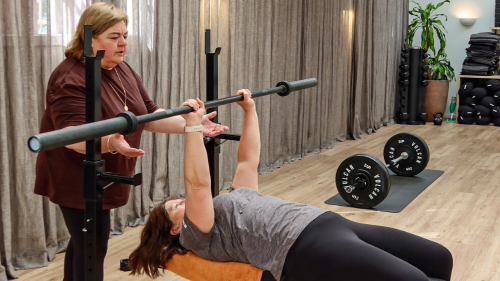
Your BonesThis is the one that matters most and gets talked about least. After menopause, bone density can decline by up to 2% per year. That’s not inevitable, but it requires deliberate intervention. Our bone density weight program and HUR pneumatic resistance equipment are specifically designed for this. HUR’s pneumatic technology, developed at Helsinki University, uses air resistance rather than plates, meaning resistance starts from near-zero and moves smoothly through the full range of motion. No jerk, no joint strain, no barrier to starting. A 2025 systematic review confirmed that resistance training combined with impact activity is the single most effective exercise intervention for bone mineral density in postmenopausal women, outperforming every other modality studied. In 12 weeks, you can stop bone loss and begin to reverse it. That’s the difference between a fracture in your 70s and one you never have. |
|
Your MusclesSarcopenia, the medical term for muscle loss, increases fall risk, slows metabolism, reduces bone density, and quietly diminishes the quality of everyday movement before most women realise it’s happening. A 12-week strength program in women of this demographic showed sarcopenia prevalence drop from 38.6% to 22.8%, nearly halved in three months. Our HUR equipment and Pilates reformer work together here: HUR builds functional strength safely through its smooth pneumatic resistance, while reformer Pilates rebuilds the deep stability muscles that decline quietly and cause the most problems. Women aged 60 to 70 completing a 12-week resistance program showed a 19% improvement in cognitive capacity alongside their strength gains, because muscle doesn’t just move you, it signals your brain. You won’t just feel stronger in 12 weeks. You’ll move, think and carry yourself differently. |
|
Your Cardio FitnessVO2 max, your body’s ability to use oxygen efficiently, is one of the single strongest predictors of longevity. More than cholesterol, more than blood pressure, more than almost any other measurable metric. The good news: it responds quickly. Research shows previously sedentary women over 50 can improve VO2 max by 10 to 20% within 12 weeks of structured cardio. Our cardio classes are built for exactly this, accessible enough to start from where you are, progressive enough to actually move the needle. A 12-week improvement in VO2 max doesn’t just mean you feel fitter. It means your heart is working more efficiently, your brain is getting more oxygen, and your risk of cardiovascular events is measurably lower. It is, without exaggeration, one of the most important things you can do for how long, and how well, you live. |
|
Your RecoveryHere’s what most women don’t realise: training is the stimulus, but recovery is where the adaptation occurs. Without deliberate recovery, you get the fatigue without the gains. Be Well’s recovery tools are as important as the training itself. Massage. A single 45-minute massage reduces cortisol by up to 31%. A 2024 randomised controlled trial found connective tissue massage improved physical and emotional health in postmenopausal women so consistently that researchers recommended it as a first-line intervention, before medication, for mild to moderate symptoms. In 12 weeks of regular massage, your nervous system recalibrates, your fascial tissue softens, your immune function improves, and your sleep deepens. It is not a reward for working hard. It is how the work sticks. Compression boots. Sequential pneumatic compression mobilises lymphatic fluid, clears inflammatory byproducts, and reduces soreness, confirmed by a 2024 meta-analysis of 17 RCTs. Two weeks of regular use produces significant improvements in joint flexibility and reduced stiffness. Used consistently after HUR sessions or cardio, they are the reason your body is ready to go again tomorrow. They also quietly calm your nervous system, the rhythmic pressure activates proprioceptive pathways that shift your body into parasympathetic recovery mode while you sit and do nothing. Infrared sauna, 3 times per week, produces a 24% decrease in cortisol over 12 weeks. Hot and cold plunge sends dopamine up 250% and norepinephrine up 530% per session. Hydroxy AirPod floods recovering tissue with oxygen and neutralises the free radicals that accumulate with training. Together, this recovery stack means you train harder, absorb more, feel better, and come back stronger. |
|
Your MindThis is the part that surprises people most, but it shouldn’t. In 12 weeks of regular yoga, telomerase activity, the enzyme that repairs the protective caps on your DNA, increases by 43%. In 12 weeks of infrared sauna, 86% of participants in a UCSF clinical trial no longer met criteria for major depression. In 12 weeks of structured cardio, BDNF, the brain’s growth hormone, rises measurably. Regular massage increases oxytocin by 17% per session and decreases ACTH (the hormone that drives cortisol production) by 20%. HUR strength training has been shown to improve memory, attention and cognitive flexibility in women over 60. The research on movement, recovery and brain health is now so compelling that neurologists describe this kind of integrated lifestyle as “the single most powerful tool we have for cognitive protection.” Not medication. Not supplements. What you do at Be Well. |
|
What 12 Weeks Could Look LikeYou don’t need to do everything at once. But here’s a week that covers all the bases, designed around the research. |
|
|
|
|
In 12 weeks, the research tells us you can expect measurable changes in bone density, cardiovascular fitness, muscle strength, inflammation, mood, cognitive function, sleep and a nervous system that finally feels like it’s on your side. Most wellness conversations focus on what might help, what feels good, what’s trending. This one is different. Everything above is backed by peer-reviewed research, with specific timeframes and specific outcomes for women, in this stage of life, doing exactly these things. Twelve weeks is not a long time. But it’s long enough to change what the rest of your life looks like. |
|
|
Here’s to your next 12 weeks. See you at Be Well again soon. |
Strength Training's Sweet Spot
A major analysis found resistance training cuts your risk of dying from any cause, heart disease or cancer by up to 19%. The surprising part: benefits peaked at just 60 minutes a week, then started tapering off at higher volumes. More isn’t always better here.
Source: here
About the author
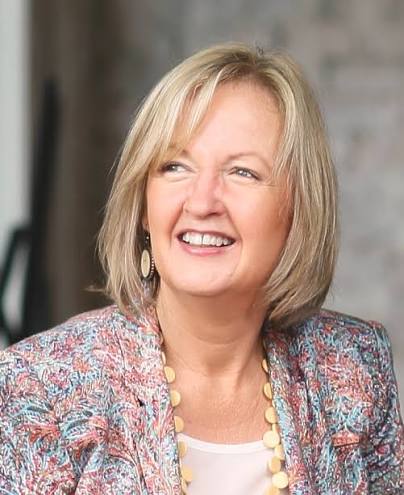
Jan Owen AM
Co-founder, Be Well Hawthorn · Hon DLit · Social and business entrepreneur
Jan Owen AM is co-founder of Be Well Hawthorn and a social and business entrepreneur with over four decades of experience driving change across education, youth welfare and health. She is the author of Every Childhood Lasts a Lifetime and The Future Chasers, the inaugural Westpac and AFR Overall Woman of Influence, and holds honorary doctorates from the University of Sydney and Murdoch University. Jan was awarded membership to the Order of Australia in 2000 for her service to children and youth.