Live Well Journal
Issue 182: What older brains do better than 25-year-olds
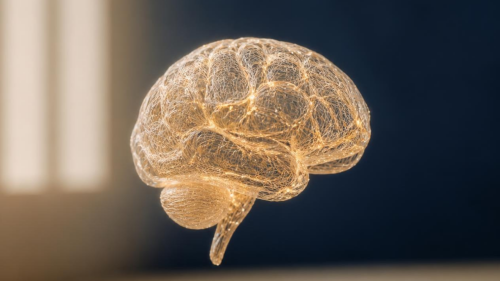
Your Brain Doesn’t Decline. It Reorganises.
A new study found healthy older adults can outthink 25-year-olds, in some surprisingly important ways. Here’s what actually holds steady as we age, and how to train it.
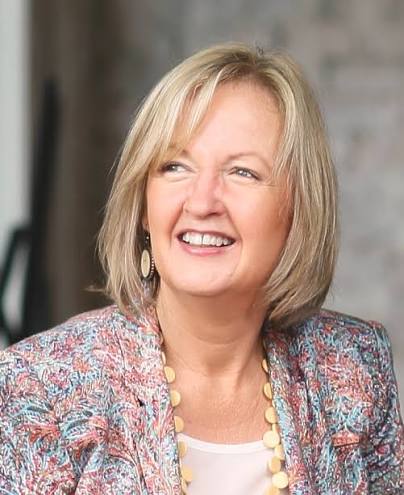
Jan Owen AM
Co-founder, Be Well Hawthorn
- PUBLISHEDSeptember 20, 2026
Finally, a win for over 50’s! A new study found that healthy older adults can match, and sometimes beat, 25 year olds at thinking. Not in every way, but in some pretty important ones. Researchers published the findings in Communications Medicine, comparing 75 young adults with 231 older adults on something called cognitive control. Think of it as your mental toolkit, the stuff you use to focus, ignore distractions, and switch between tasks without losing the plot. The results were split, and that’s what makes them interesting. |
Where younger brains winOlder adults did show a dip in two skills: keeping fresh information loaded and current, and jumping cleanly from one task to another. If you’ve ever lost your train of thought moving from a shopping list to answering the phone, you know the feeling. |
Where older brains winHere’s the twist. On mental filtering, the ability to tune out noise and resist acting on impulse, the older group matched the younger one, and sometimes beat them. Their ability to plan ahead and stay one step in front of a problem held rock steady. In some cases, it got sharper. Picture two people trying to read in a noisy cafe. The 25 year old has the raw processing speed, but keeps glancing up every time the espresso machine hisses. The 62 year old has read in noisy cafes for decades. They’ve built a filter. That filter doesn’t wear out. It gets trained. |
Why this mattersWe’ve all absorbed the idea that ageing is one long slide downhill for the brain. This study puts a solid crack in that. Some functions soften, others hold firm, and a few genuinely sharpen, likely built from decades of practice and plain old lived experience. Call it wisdom if you like. The data backs it up. The researchers point to something we talk about constantly at Be Well: staying mentally and socially engaged protects the skills that matter most as you age. Mental filtering and planning ahead are like muscles you keep by using. |
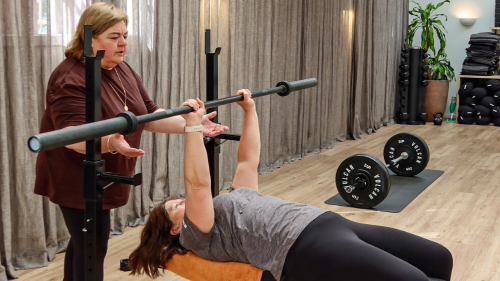
What the training looks likeExercise sits at the top of the list, and not just for your heart. Anything that gets your blood pumping increases blood flow to the brain and supports new connections between neurons. Sleep is the quiet one people skip. Your brain does its housekeeping overnight, clearing out waste and filing away the day’s learning. Skimp on it and you’re running your brain on empty. Social connection matters as much as any brain training. Conversation makes you track what someone else is thinking, hold your response, and adjust on the fly. That’s a real workout, disguised as a chat over coffee. Novelty counts too. A language, an instrument, a route you’ve never walked all force your brain to build fresh pathways instead of coasting on old ones. Comfort is nice. It just doesn’t build much. |
So next time someone jokes about the old memory not being what it used to be, don’t take it lying down! Your memory for names might be a bit slower, mine definitely is, but your ability to stay calm, stay focused, and see three moves ahead? That’s holding steady, or getting better. Getting older isn’t a straight line downhill. It’s a trade. And on many of the trades that count most, you’re winning. Here’s to living healthier, younger, longer and better. |
See you at Be Well again soon. |
Saffron vs a dementia drug
Source: here
About the author
Jan Owen AM
Co-founder, Be Well Hawthorn · Hon DLit · Social and business entrepreneur
Jan Owen AM is co-founder of Be Well Hawthorn and a social and business entrepreneur with over four decades of experience driving change across education, youth welfare and health. She is the author of Every Childhood Lasts a Lifetime and The Future Chasers, the inaugural Westpac and AFR Overall Woman of Influence, and holds honorary doctorates from the University of Sydney and Murdoch University. Jan was awarded membership to the Order of Australia in 2000 for her service to children and youth.