Be Well Hawthorn

Jan Owen AM

Co-founder, Be Well Hawthorn

Issue #168 The winter health habit we swear by

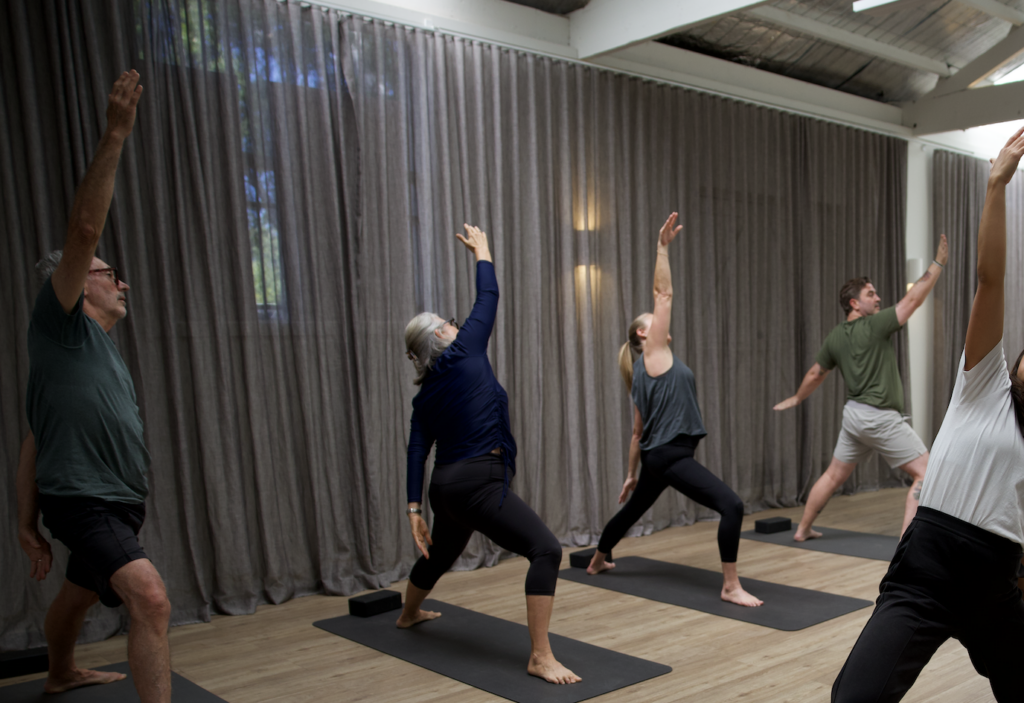
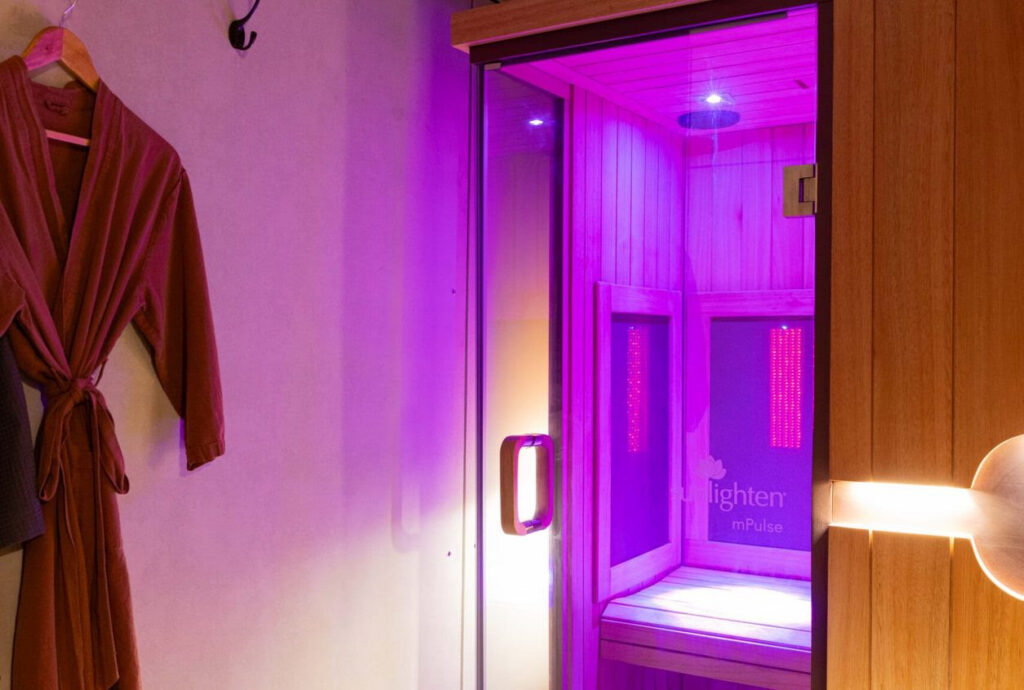
Live Well Journal Issue #168 The winter health habit we swear by Winter is here, and honestly? We couldn’t be more excited about it.   There’s something almost magical about stepping into the warmth of an infrared sauna when the temperature outside is doing its best to keep you indoors. At Be Well, we think winter is actually the best time to make sauna a regular part of your health and wellness routine. Here’s why we love it, and why science backs us up. Jan Owen AM Co-founder, Be Well Hawthorn PUBLISHEDJune 7, 2026 Read time Winter is here, and honestly? We couldn’t be more excited about it. There’s something almost magical about stepping into the warmth of an infrared sauna when the temperature outside is doing its best to keep you indoors. At Be Well, we think winter is actually the best time to make sauna a regular part of your health and wellness routine. Here’s why we love it, and why science backs us up. What makes infrared different? Unlike a traditional steam sauna that heats the air around you, infrared saunas use light to gently warm your body directly. Infrared light penetrates 4–5cm below the skin surface to directly stimulate mitochondria, meaning the real action is happening invisibly at the cellular level, and the heat you feel is almost a side effect. The result? A deeply penetrating heat at a lower, more comfortable temperature, so you can stay in longer and get more benefit without feeling like you’re melting. Most of our members say it feels less intense but somehow more restorative. We’d have to agree. What the research actually shows The evidence on infrared sauna has grown significantly in recent years, and it’s genuinely impressive. Your heart loves it. A 2024 systematic review confirmed that regular infrared sauna use reduces blood pressure, improves arterial stiffness, and supports long-term cardiovascular health. Think of it as a passive cardio workout; your heart rate rises, circulation improves, and your body works hard, all while you’re sitting still. Your muscles will thank you. A 2025 study from the University of Jyväskylä found that post-exercise sauna sessions significantly improved neuromuscular recovery and reduced soreness after resistance training. If you’ve been pushing yourself in the gym this winter, a sauna session afterwards is a smart move. Your mood gets a lift. This one’s big for winter. Research shows a single infrared sauna session can increase endorphin levels by over 200%. A landmark UCSF clinical trial published in late 2025 found that whole-body heat therapy produced meaningful reductions in depression symptoms, with over 86% of participants no longer meeting criteria for major depression at their final assessment. The ‘winter blues’ are real, and warmth is a powerful antidote. Chronic pain relief. For members managing fibromyalgia, lower back pain or joint stiffness, a 2023 systematic review found 40–50% reductions in pain scores after 8–12 weeks of regular sessions. Consistent, gentle heat makes a real difference. Making it a winter ritual We recommend 3–4 sessions per week for 30 minutes each to start seeing cumulative benefits. Hydrate well before and after, and give yourself a few minutes to cool down gradually. Many of our members pair their sauna with a yin yoga afterwards, a ritual that turns a wellness visit into genuine self-care. Whether you’re coming in after a workout, on your lunch break, or just need somewhere warm and restorative to land on a grey winter afternoon, the sauna is ready for you. Sauna season is officially open. Come get warm. You’ve earned it. Longevity snip Regular sauna use triggers heat shock proteins, lowers inflammation, and improves insulin sensitivity A systematic review of Finnish and infrared sauna studies found these cellular effects closely mirror what exercise does to the body, but the evidence behind the many claimed benefits varies widely.  Source: here About the author Jan Owen AM Co-founder, Be Well Hawthorn · Hon DLit · Social and business entrepreneur Jan Owen AM is co-founder of Be Well Hawthorn and a social and business entrepreneur with over four decades of experience driving change across education, youth welfare and health. She is the author of Every Childhood Lasts a Lifetime and The Future Chasers, the inaugural Westpac and AFR Overall Woman of Influence, and holds honorary doctorates from the University of Sydney and Murdoch University. Jan was awarded membership to the Order of Australia in 2000 for her service to children and youth. Live Well Journal Get these insights directly into your inbox every week. Join the Be Well Health & Longevity newsletter. Written by Jan Owen AM, free for everyone, published every week. More from the Live Well Journal View all articles → Issue #167: Navigate the peptide boom without the risk Issue #167: Navigate the peptide boom without the risk Jan Owen AM • May 31, 2026 Issue #166: Why jetlag hits women harder Issue #166: Why jetlag hits women harder Jan Owen AM • May 24, 2026 Issue #165: A century of lessons for the Be Well community  Issue #165: A century of lessons for the Be Well community  Jan Owen AM • May 17, 2026

Issue #168 The winter health habit we swear by Read More »

Issue #167: Navigate the peptide boom without the risk

Live Well Journal Issue #167: Navigate the peptide boom without the risk There’s a lot of buzz surrounding peptides at the moment. Driven by the massive success of metabolic treatments like semaglutide, peptides have exploded from specialised medical circles straight into mainstream health conversations. Jan Owen AM Co-founder, Be Well Hawthorn PUBLISHEDMay 31, 2026 Read time There’s a lot of buzz surrounding peptides at the moment. Driven by the massive success of metabolic treatments like semaglutide, peptides have exploded from specialised medical circles straight into mainstream health conversations. Promoted by wellness influencers and biohackers alike, they are frequently framed as the ultimate toolkit for weight loss, muscle recovery, anti-aging, and cognitive enhancement. But what is the actual science behind the hype and what are the hidden dangers?  Let’s break down what peptides actually are, the latest clinical breakthroughs, how they enter the body, and how to safely navigate the strict regulatory landscape here in Australia. What exactly are peptides? Think of peptides as short strings of amino acids, essentially the mini-building blocks of proteins. They act as biological messengers, binding to specific cell receptors to instruct your body to perform precise tasks, such as releasing growth hormones, dampening inflammation, or speeding up tissue repair.  Because they mirror the body’s natural signalling processes, medical-grade peptides offer unprecedented clinical precision, treating complex conditions with far fewer side effects than traditional chemicals. The latest research The therapeutic potential of peptides is moving at a breathtaking pace. While the public focus remains heavily on weight loss, the latest global clinical trials are exploring entirely new horizons: Targeting the hallmarks of aging Gerontology research is focusing heavily on peptides capable of cellular restoration, tissue repair (such as GHK-Cu), and protecting the brain from age-related decline. Next-gen oncology Scientists are using Peptide-Drug Conjugates (PDCs) to fight cancer. Because peptides can seek out specific receptors on solid tumours, they are being used to deliver high-precision chemotherapy payloads directly to cancer cells while leaving healthy tissue untouched. Fighting superbugs With traditional antibiotics losing their efficacy, Antimicrobial Peptides (AMPs) are a massive focus for destroying multi-drug resistant bacteria by disrupting their outer membranes. AI-driven discovery High screening and deep learning have allowed researchers to use AI to simulate exactly how a synthetic peptide will fold and behave before it is ever manufactured, compressing decades of laboratory trial-and-error into months. How peptides are used Because peptides are delicate biological chains, how they are administered drastically changes how well they work and how the body tolerates them. In medical circles, you will primarily see them in four forms: Injections: this remains the gold-standard medical delivery method. A tiny needle delivers the peptide into the fat layer just under the skin. This bypasses the digestive tract completely, allowing the peptide to absorb cleanly and predictably. Orally: traditionally, pills didn’t work because stomach acid destroys peptides. Modern medical formulations now utilise permeation enhancers that protect the molecule, allowing it to absorb through the stomach lining. Still, oral absorption is lower, meaning much higher doses are required compared to an injection. Topical: widely used in dermatology, cosmetic peptides are applied directly to the skin. While excellent for local tissue repair and boosting collagen, these molecules are too large to sink deep enough to impact your internal organs or systemic metabolism. Infusions: IV delivery puts the peptide directly into a vein for instant, high concentration cellular impact. So which peptides are OK to take in Australia? The golden rule of peptides is simple: a peptide is safe and lawful to take only when it is included on the Australian Register of Therapeutic Goods (ARTG) and prescribed by an Ahpra-registered medical practitioner.  Clinically established options available in Australia include: Metabolic & weight management: Ozempic/Wegovy and Mounjaro. These mimic natural gut hormones to regulate insulin and appetite with massive clinical backing. Growth hormone secretagogues:Sermorelin or Tesamorelin. These can be prescribed medically to address specific growth hormone deficiencies under strict blood work monitoring. Cosmetic & skin health: Copper Peptides and Palmitoyl Pentapeptide. Safe and highly effective when used topically in premium, over the counter skincare products. The TGA compounding ban: to protect public safety, Australia’s Therapeutic Goods Administration (TGA) has strictly banned compounding pharmacies from making replica or custom-mixed versions of GLP-1 weight-loss peptides. This means you can only legally and safely access the official brand name products direct from a licensed pharmacy. The online market The sudden surge in peptide popularity has created a thriving, online underground ‘market’. Many lifestyle peptides, such as BPC-157, CJC-1295, Ipamorelin or Melanotan (tanning peptides) are sold on unregulated websites under the guise of research chemicals or not for human consumption. Buying these substances online poses severe health and legal hazards. Importing unapproved peptides without an explicit, specialised prescription is a federal offense under the Therapeutic Goods Act and the Australian Border Force regularly seizes these packages. More importantly, these compounds are frequently manufactured without strict medical oversight leading to incorrect dosages, chemical impurities or dangerous contaminants. In peptide chemistry, missing even a single amino acid link can cause the molecule to fold incorrectly, transforming a supposed wellness solution into a toxic threat to your organs. The advice is pretty clear: don’t experiment with online research chemicals or unverified wellness trends.  On the upside, peptides are another high impact potential breakthrough in our health and wellness. If you are interested in exploring legitimate, medical grade peptide therapies consult a qualified doctor not the insta biohackers   Longevity snip Smarter cancer drugs that spare healthy cells Current “guided missile” cancer drugs (ADCs) work well but can be toxic and lose effectiveness over time. Researchers are now developing a lighter version, swapping the bulky antibody for a small peptide, that may be easier to fine-tune and less harmful to the body. Early-stage research, but the design logic is compelling.  Source: here About the author Jan Owen AM Co-founder, Be Well Hawthorn · Hon DLit · Social and business entrepreneur Jan Owen AM is co-founder of Be Well Hawthorn and a social and business entrepreneur with over four decades of experience driving change across education, youth

Issue #167: Navigate the peptide boom without the risk Read More »

Issue #166: Why jetlag hits women harder

Live Well Journal Issue #166: Why jetlag hits women harder I’m not imagining it!   I have been in Europe and London working my day job for the past two weeks. It’s been immersive, fun and exhilarating exploring AI, design and visiting Drakonheart, the most amazing Hogwart’s type school for neuro-diverse children and young people in Denmark. Jan Owen AM Co-founder, Be Well Hawthorn PUBLISHEDMay 24, 2026 Read time I’m not imagining it!  I have been in Europe and London working my day job for the past two weeks. It’s been immersive, fun and exhilarating exploring AI, design and visiting Drakonheart, the most amazing Hogwart’s type school for neuro-diverse children and young people in Denmark. I can’t wait to get back to the family and Be Well but I am not looking forward to that Eastward flight + jetlag combo. Have you ever wondered why you feel completely destroyed after a time zone shift while your male travel partner seems to bounce back? Those middle-aged or older women who feel like jetlag hits them harder than the men in their lives aren’t imagining it. Leading women’s health experts and the latest breakthroughs in circadian biology agree: biological sex and hormonal stages play a massive role in how we experience sleep disruptions. Estrogen (or lack thereof) Recent research reveals a fascinating biological paradox: in our younger years, our hormones actively fight to fix jetlag. When exposed to a simulated six hour time change, females with optimal estrogen levels completely resynchronised their internal clocks to the new light-dark cycle roughly two days earlier than males. Estrogen acts as a protective shield, helping the brain’s master clock snap back into place. However, during perimenopause and menopause, this biological advantage completely vanishes. As estrogen and progesterone plummet, the master clock in the brain loses its primary stabilizer. Without that hormonal shield, the clock becomes fragile, making it significantly harder to adjust to new time zones.  The brain fog toll The cognitive aftermath of fighting your internal clock is also profound. Real-world data from female flight attendants on long-haul routes reveals distinct learning deficits and a reduction in brain volume in these areas. Crucially, this brain fog isn’t just caused by stress; it is driven directly by the chaotic scrambling of the circadian clock itself. The direction matters Travelling East (shortening the day, like flying from Europe to Australia) is universally tougher on the body than traveling West (lengthening the day, like flying from the US to Australia) because our natural biological clock prefers a slightly longer day. Then there’s social jetlag You don’t need to board a plane to experience this. Modern women are highly susceptible to ‘social jetlag’: the discrepancy between your biological clock and the demands of daily life. Your Jetlag Action Plan We aren’t powerless against our biology. Whether we are navigating menopause or just trying to survive a brutal flight, here is how to strategically protect your rhythm: The 11,000 step buffer: Recent data shows that maintaining a physical activity target of 11,000 steps per day successfully minimises jetlag and alleviates daytime exhaustion. Getting these steps in early morning light is the single best way to manually anchor a fragile clock. Master your melatonin timing: melatonin is a clock-shifter, not a sleeping pill. Clinical guidelines suggest taking a low-dose (0.5mg to 3mg) rapid-release formulation close to your target bedtime at your destination. Avoid mega doses, which linger too long and confuse your brain. Ruthless temperature control: if you are navigating menopause, your internal thermostat is already compromised. Keep your destination bedroom at 16–18°C to combat travel-induced hot flushes. ​Time your caffeine: use caffeine strategically in the morning of your destination time zone to accelerate resynchronization. Avoid it late in the day, as it pushes your internal clock backward. Anchor your wake time: forced to choose, I believe this strategy is the most important: keep your wake-up time within 60 to 90 minutes of the same time every day, even on weekends. My Be Well Jetlag Action Plan After arriving at Tullamarine, I get myself to Be Well ASAP address two things jetlag destroys: cellular oxygenation/circulation and core body temperature regulation. ​Step 1: The Hydroxy Airpod (Hyperbaric Oxygen Therapy) ​When to do it: Morning or early afternoon after landing. ​How it helps: The Hydroxy Airpod floods your plasma and tissues with pressurized oxygen. This reverses cellular hypoxia, dramatically reduces systemic inflammation and delivers an immediate hit of cognitive clarity. It essentially reboots your cells after the flight. ​Step 2: Compression Boots ​When to do it: Immediately after your Airpod session. ​How it helps: Flying causes severe blood pooling in the lower extremities and reduces lymphatic drainage. Compression boots use sequential pneumatic compression to mimic the body’s natural muscle pump, flushing out accumulated metabolic waste and forcing freshly oxygenated blood (courtesy of the Airpod) back up to your core and brain. ​Step 3: The Infrared Sauna  When to do it: late afternoon/ evening  ​How it helps: Sweating in the sauna helps flush out travel toxins, relaxes tight muscles from the flight, and artificially spikes your core body temperature. ​Step 4: Hot / Cold Baths (Contrast Therapy) ​How it helps: Move straight from the sauna into the contrast baths, ending with the Cold Plunge. ​How it helps: Your brain’s master clock decides it is time to sleep by looking for a rapid drop in core body temperature. By heating your body up in the sauna/hot bath and then plunging into the cold bath, you trigger a massive, rapid cooling effect. When you step out of the cold plunge, your blood vessels dilate, heat escapes your body, and your core temperature plummets. This drastic drop sends a powerful, unambiguous signal straight to the brain’s master clock: it is night time. This releases melatonin immediately. Safe travels, Be Well Members, and recover quickly from jetlag! Longevity snip Your body clock runs your hormones too. Research shows disrupted circadian rhythms, from shift work, jet lag, or poor sleep are linked to irregular cycles, lower conception rates, higher miscarriage risk, and increased breast cancer rates in women.

Issue #166: Why jetlag hits women harder Read More »

Issue #165: A century of lessons for the Be Well community 

Live Well Journal Issue #165: A century of lessons for the Be Well community  On 8 May 2026, the world paused to celebrate a monumental milestone: the 100th birthday of Sir David Attenborough. Be Well PUBLISHEDMay 17, 2026 Read time On 8 May 2026, the world paused to celebrate a monumental milestone: the 100th birthday of Sir David Attenborough.  For many of us in the Be Well community, Sir David isn’t just any broadcaster; he is the most influential environmentalist we have ever known, enthralling us with stories of the animal kingdom, both land and sea, since we were children. Watching his response to thousands of people sing him Happy Birthday at the Royal Albert Hall last week brought tears to my eyes. It was clearly a moment of pure joy and delight. At 100 years old, Sir David Attenborough is the gold standard for vitality. While we might instantly recognise his whispering, soothing voice, we sometimes forget the sheer physicality required to be the world’s greatest naturalist for over seven decades.  Sir David’s journey is a powerful reminder that staying well is an active pursuit. Seven decades on the move Since his first major expedition, Zoo Quest to Guiana in 1954, Sir David has been in a state of constant motion. His office has been the most unforgiving terrain on Earth. He has traveled to over 83 countries across all seven continents. To put his activity in perspective, while filming The Life of Birds alone, he traveled 256,000 miles,  the equivalent of circling the globe ten times. From the dense rainforests of Borneo to the freezing plateaus of Antarctica, Sir David has spent thousands of hours on his feet, proving that functional fitness (the ability to move effortlessly through your environment) is the ultimate longevity tool. Scaling the heights Sir David didn’t just walk; he climbed. His career is marked by ascents that would challenge people half his age. He famously scaled Mount Roraima in Guyana (a 9,000-foot “tepui” or table-top mountain) and navigated the steep, misty slopes of Mount Kinabalu in Borneo. Even into his late 80s and 90s, he was filming in the high-altitude Sierra Nevada and the rugged deserts of China. He views every mountain not as an obstacle, but as a classroom. At 100, David Attenborough looks incredibly alive, young, healthy and happy!  When asked about his longevity, Sir David greets the question with his trademark humility. He attributes his health to simple good luck. While science suggests that living to 100 is significantly influenced by genetics (up to 70% in centenarians), Sir David’s life proves that what you do with that so-called luck matters most.  Everything we believe in at Be Well  Here’s a few Sir David longevity hacks! Movement with a purpose: whether you’re climbing a flight of stairs or a local hill, do it with the spirit of an explorer. Plant forward: Sir David has spoken openly about his shift away from red meat, citing both environmental and health reasons. His meals are rich in fruits, vegetables and whole grains & occasional lean protein.  The ‘small meal’ rule: rather than multi-course meals, he prefers smaller, balanced portions that keep his energy levels stable throughout the day. Joyful indulgence: he hasn’t given up everything at all. He still admits to a great love for the best cheeses in the world! Quiet observation: Sir David advocates for a practice he calls quiet observation. He suggests sitting still in a woodland for ten minutes and simply waiting. This forest bathing reduces cortisol (the stress hormone), lowers blood pressure and provides mental clarity. The retirement trap: he has famously stated that the very thought of stopping work is horrifying. This sense of ‘Ikigai’ a Japanese concept meaning a reason for being, keeps his mind sharp and his spirit resilient. Special Announcement  In the same week Sir David turned 100, a new Be Well team baby arrived!  Gorgeous little Billie Lynch was born on Mothers Day to Pat and Monica. We are all delighted and send a huge welcome to the world to Billie and congratulations and love to her besotted new parents, Pat & Mon. Billie, Sir David showed us that a passionate life well-lived is the greatest adventure of all. We can’t wait to share yours. Longevity snip Mix It Up to Live Longer New research tracking 111,000 people over 34 years found that doing a variety of exercises, not just one, cuts death risk by 19%. Walk, lift, play tennis, climb stairs. Almost any movement helps, but mixing it up helps more. Source: here About the author Jan Owen AM Co-founder, Be Well Hawthorn · Hon DLit · Social and business entrepreneur Jan Owen AM is co-founder of Be Well Hawthorn and a social and business entrepreneur with over four decades of experience driving change across education, youth welfare and health. She is the author of Every Childhood Lasts a Lifetime and The Future Chasers, the inaugural Westpac and AFR Overall Woman of Influence, and holds honorary doctorates from the University of Sydney and Murdoch University. Jan was awarded membership to the Order of Australia in 2000 for her service to children and youth. Live Well Journal Get these insights directly into your inbox every week. Join the Be Well Health & Longevity newsletter. Written by Jan Owen AM, free for everyone, published every week. More from the Live Well Journal View all articles → Issue #164: There’s a New Secret to Longevity Issue #164: There’s a New Secret to Longevity Jan Owen AM • May 10, 2026 Issue #163: 4 years of living healthier, happier, younger, together Issue #163: 4 years of living healthier, happier, younger, together Be Well • May 4, 2026 Issue #162: The reason that got you here won’t keep you here. Issue #162: The reason that got you here won’t keep you here. Be Well • April 26, 2026

Issue #165: A century of lessons for the Be Well community  Read More »

Issue #164: There’s a New Secret to Longevity

Live Well Journal Issue #164: There’s a New Secret to Longevity This April has been a watershed moment for the longevity research and practitioner community. We are moving away from the idea of aging as an inevitable ‘breakdown’ and toward a much more empowering concept: biological harmony. Jan Owen AM Co-founder, Be Well Hawthorn PUBLISHEDMay 10, 2026 Read time This April has been a watershed moment for the longevity research and practitioner community. We are moving away from the idea of aging as an inevitable ‘breakdown’ and toward a much more empowering concept: biological harmony. Earlier this month at the Targeting Longevity 2026 conference in Berlin, the world’s leading researchers reached a new consensus. They’ve realised that aging isn’t just a collection of cellular accidents; it’s a coordination failure. Imagine your body is a massive orchestra with 30 trillion musicians (your cells). The old view: Aging is when the violin strings snap. ​The new view: Aging is when the musicians stop watching the conductor. They’re all still playing, but they’re out of time with each other, creating noise instead of music.  Longevity is now about keeping the rhythm and the tempo in sync. Future therapies won’t just target one problem gene. Instead, they will act to recalibrate and re-sync the communication between your immune system, your gut and your brain. We are officially entering the age-reversal era, with the first FDA-approved human trials for epigenetic reprogramming now underway. We are learning how to reset the biological clock of our tissues without changing our DNA. What you can do to help yourself now Variety is the key to longevity. We’ve always known movement is medicine, but a massive study published in BMJ Medicine on April 27th gave us a new prescription. It turns out that diversity of movement is actually more protective than the sheer volume of exercise. The data showed that people who mixed up their activities, combining walking, weight training and cycling had between a 15-40% lower risk of death than those who did high volumes of just one thing. This metabolic flexibility keeps your nervous system sharp and your body adaptable. So if you’ve been stuck on a reformer or treadmill, this is your permission to also jump on the bike, try a bone vitality class, yoga class or Be Strong class! There’s more good news  New research published on April 3rd in Cancer Research uncovered a fascinating phenomenon regarding our immune systems. While we’ve long feared that our defenses simply decline with age, researchers found a rebound effect. A specific group of immune cells, called gammadelta T cells, often dip during middle age but can actually surge back in later life to provide a powerful defense against tumours. This new science suggests that our bodies are incredibly well designed for long-term survival. I love that! Find your rhythm  Prioritise sleep, manage stress, keep your body guessing with diverse movements, nourish your body and trust in it’s profound ability to find and keep its rhythm. Happy Mother’s Day to all the incredible women keeping our families, communities and networks together. Longevity snip Mix It Up to Live Longer New research tracking 111,000 people over 34 years found that doing a variety of exercises, not just one, cuts death risk by 19%. Walk, lift, play tennis, climb stairs. Almost any movement helps, but mixing it up helps more. Source: here About the author Jan Owen AM Co-founder, Be Well Hawthorn · Hon DLit · Social and business entrepreneur Jan Owen AM is co-founder of Be Well Hawthorn and a social and business entrepreneur with over four decades of experience driving change across education, youth welfare and health. She is the author of Every Childhood Lasts a Lifetime and The Future Chasers, the inaugural Westpac and AFR Overall Woman of Influence, and holds honorary doctorates from the University of Sydney and Murdoch University. Jan was awarded membership to the Order of Australia in 2000 for her service to children and youth. Live Well Journal Get these insights directly into your inbox every week. Join the Be Well Health & Longevity newsletter. Written by Jan Owen AM, free for everyone, published every week. More from the Live Well Journal View all articles → Issue #163: 4 years of living healthier, happier, younger, together Issue #163: 4 years of living healthier, happier, younger, together Be Well • May 4, 2026 Issue #162: The reason that got you here won’t keep you here. Issue #162: The reason that got you here won’t keep you here. Be Well • April 26, 2026 Issue #161 Neither the journey nor the destination… Issue #161 Neither the journey nor the destination… Be Well • April 20, 2026

Issue #164: There’s a New Secret to Longevity Read More »